
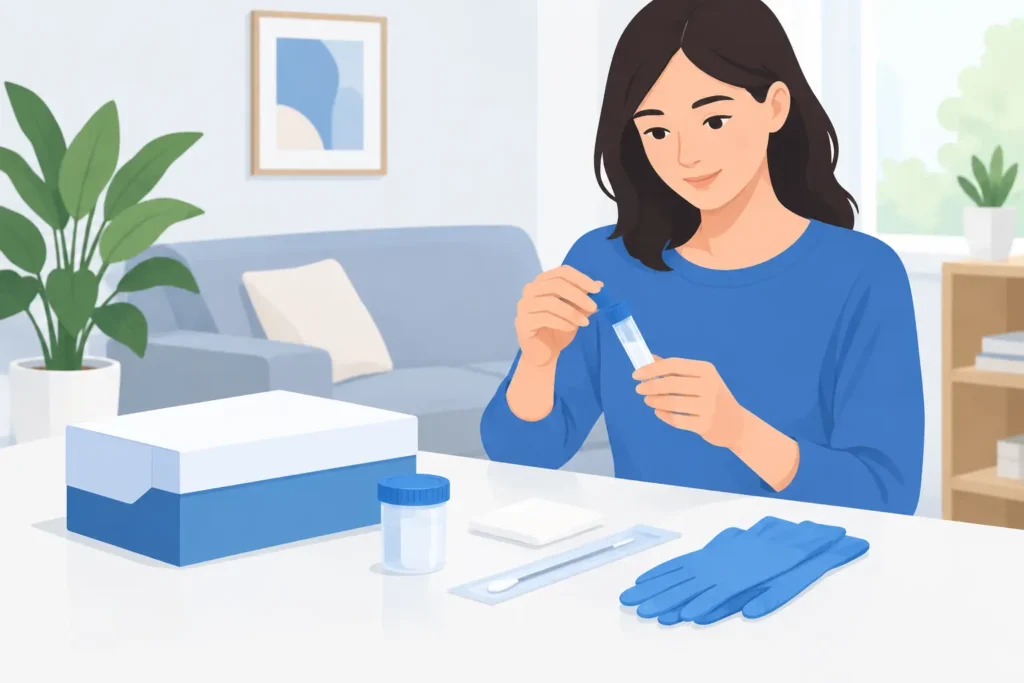
A home collection appointment can replace the drive, parking, waiting room, and rushed check-in that often make laboratory work harder than it needs to be. A little preparation helps your phlebotomy professional focus on what matters: completing the ordered collection carefully, keeping you comfortable, and getting the specimen where it needs to go.
To prepare for home specimen collection, start with the instructions from your ordering provider or laboratory. Requirements can differ by test, especially when fasting, timed collection, medication timing, or a lab-provided kit is involved. If anything is unclear, ask your provider or laboratory before the appointment rather than guessing.
Start With the Lab Order and Collection Details
A provider-issued lab order is required for most blood draws and many other types of specimen collection. Have the order available before your appointment, whether it was sent directly to the laboratory, uploaded securely, emailed according to the scheduling instructions, or printed for the collector to review.
Take a moment to confirm the practical details on the order. Check the patient’s name and date of birth, the tests requested, the ordering provider, and the laboratory that will process the specimen. This small step can prevent a delay on the day of service.
If your provider gave you a kit for a urine, stool, saliva, DNA, or specialty collection, keep the kit together in a clean, easy-to-find place. Do not open containers, remove labels, or collect a sample early unless the instructions specifically tell you to do so. Some specimens have strict timing, temperature, or handling requirements. The laboratory’s directions always take priority.
Confirm Whether Fasting Is Required
Fasting means avoiding food for a specified period before collection. Water is often permitted and may make a blood draw easier by supporting hydration, but you should follow the instructions attached to your particular order. Coffee, tea, juice, gum, vitamins, and supplements may affect certain tests, even when they seem minor.
Do not stop or change prescription medications on your own to prepare for a test. Some orders require medication levels to be drawn at a specific time, while others require no change at all. If you have questions about medication timing, contact the ordering provider or pharmacist before your visit.
Prepare Your Space for a Calm Home Collection
You do not need a clinical exam room to have a professional collection. A quiet, well-lit area with a stable chair, table, or counter nearby is usually enough. Choose a place where the patient can sit comfortably with one arm supported and where the collector has room to work safely.
For many patients, the kitchen table, dining area, living room, or bedside works well. If the patient is recovering from a procedure, has limited mobility, or needs to remain in bed, mention that during scheduling so the visit can be planned appropriately.
Before the appointment, clear the immediate area of clutter and make a path from the entrance to the collection space. Keep pets in another room if possible. This protects the patient, the animal, and the integrity of the collection setup.
Have your photo ID, insurance information if requested, lab order, and any collection kit ready in one place. For a minor, a parent or legal guardian should be present unless prior arrangements have been confirmed. If the patient needs an interpreter, caregiver, or family member for support, plan for that person to be available as well.
Help Make the Blood Draw More Comfortable
Hydration is one of the most useful ways to prepare for a routine blood draw, unless you have been told to limit fluids for a medical reason. Drinking water in the hours before the appointment can make veins easier to access. A warm room and warm hands can help, too.
Wear a short-sleeved shirt or loose sleeves that can be comfortably rolled above the elbow. Avoid clothing that is tight around the upper arm. If you have a preferred arm, a history of difficult draws, a port, lymphedema, dialysis access, or other restrictions, tell the collector before the procedure begins.
It is also helpful to share past experiences honestly. Some people feel lightheaded around needles, have fainted during blood draws, or need a few quiet minutes afterward. That information is not an inconvenience. It allows the professional to adjust positioning, pace the visit calmly, and support a safer experience.
For children or anxious adults, keep the approach simple. A familiar caregiver nearby, a favorite show, music, or a quiet conversation can be helpful. Avoid promising that a draw will not hurt. It is more reassuring to explain that the collector will work carefully and that the brief pinch will pass.
Prepare for Home Specimen Collection Beyond Blood Work
Not every home appointment involves a routine venipuncture. Drug screening, DNA collection, clinical-trial protocols, and specimens such as urine or stool may have different chain-of-custody, identification, labeling, and timing rules.
For a urine collection, ask in advance whether the laboratory requires a first-morning specimen, a midstream sample, a clean-catch method, or a specific collection window. For stool or specialty kits, review the instructions before the appointment and note whether the specimen must be refrigerated, protected from heat, or returned within a certain number of hours.
Drug screens and some DNA collections may require strict identity verification and direct observation procedures. Bring a valid photo ID and allow enough time for the full process. If the collection is connected to an employer, court, agency, clinical study, or legal process, do not assume that a general laboratory order follows the same workflow. Confirm the required documentation before scheduling.
Keep Timing Realistic
Plan to be available for the appointment window and avoid scheduling the visit during a time when you may need to leave unexpectedly. If fasting is required, a morning appointment may feel more manageable. For medication monitoring or timed testing, the correct time may matter more than convenience.
Same-day service can be helpful when availability permits, particularly after a provider request or when travel is difficult. Still, urgent collection needs may involve specific laboratory cutoff times, courier schedules, or specimen stability requirements. Share the deadline when you schedule so the collection team can coordinate appropriately.
Know What Happens After the Collection
Once the specimen is collected, it is labeled and prepared according to the applicable laboratory requirements. Depending on the test and service arrangement, the specimen may be delivered, shipped, or transferred through an established laboratory workflow. Your phlebotomy professional can explain the next step for that appointment, but test results are typically reported by the ordering provider or laboratory, not by the mobile collector.
You may have a small bandage after a blood draw. Leave it in place for the period recommended by the collector, and avoid heavy lifting with that arm for a short time if you feel sore. Mild bruising can happen even with a well-performed draw. If you have persistent bleeding, significant swelling, worsening pain, or feel unwell after the visit, contact your healthcare provider promptly.
OnCall Mobile Labs helps patients and families throughout Northern Virginia, Washington, DC, Maryland, and Virginia coordinate ordered collections without adding another trip to a patient service center. Certified professionals, careful document handling, and direct lab coordination support a more organized experience from scheduling through specimen handoff.
A successful home collection does not require a perfect setup. It requires the right order, clear instructions, a prepared space, and enough time to receive care without rushing. Those few details can turn a necessary lab task into a quieter, more manageable part of your day.